The Bodie Island Lighthouse is a black-and-white striped lighthouse located on the Outer Banks of North Carolina, near Nags Head. Standing 156 feet tall, it was built in 1872 and still operates today, guiding ships along the treacherous stretch of coast known as the Graveyard of the Atlantic. Unlike many lighthouses, it remains in its original location and is open to the public for climbing during the warmer months.
Bodie Island Lighthouse
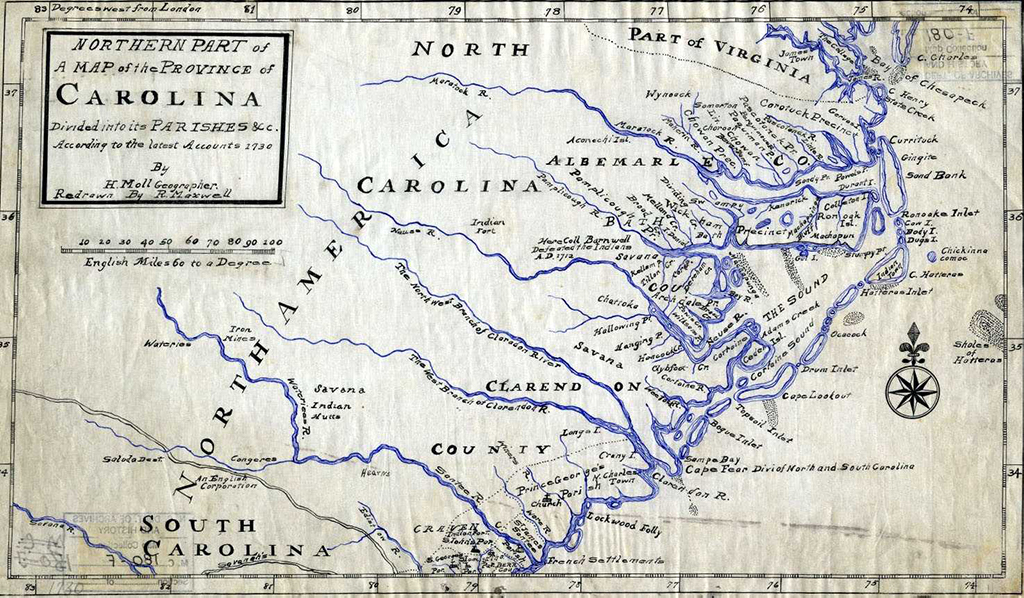
The origin of the name Bodie Island is unclear but it was apparently in use by 1709, when John Lawson’s “A New Voyage to Carolina” first mentioned the name in print, referring to English rabbits: “I was told of several that were upon Bodies Island by Ronoak, which came from that Ship of Bodies; but I never saw any.” The name also appears on Moll’s 1730 “Map of the Province of Carolina”.
Known at various times as Body’s Island, Bodies Island, Body Island, Micher Island, and Cow Island, its land mass in the 1770s extended from Roanoke Inlet at the north end, nine and one-half miles south. Roanoke Inlet began to shoal and eventually closed around 1811, joining the land now known as Bodie Island to the land to the north. An 1846 hurricane opened Oregon Inlet, severing the lower part of the island. Nonetheless, the name continues to this day for the land that straddles both sides of the inlet.
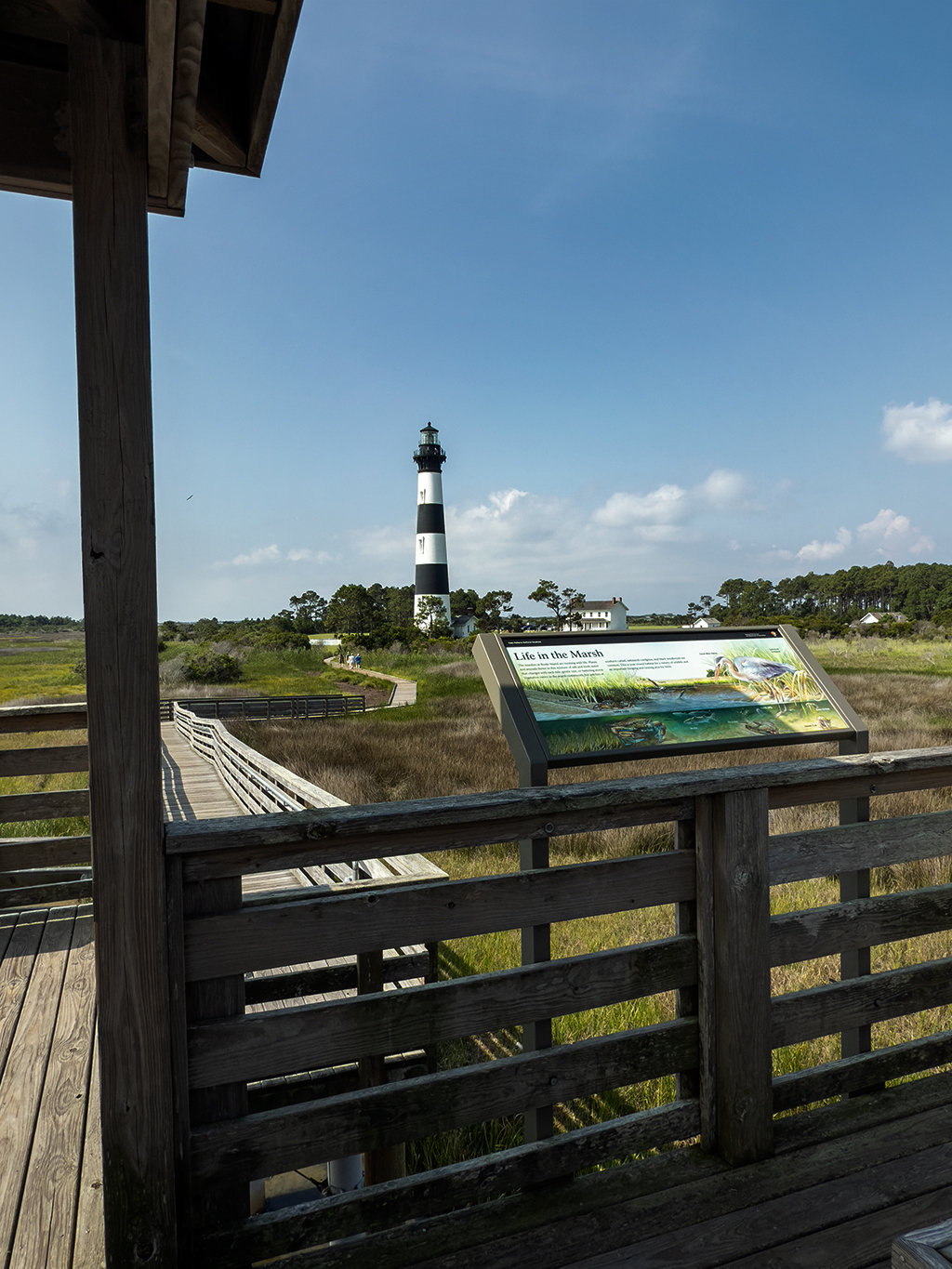
Bodie Island Lighthouse Marsh Area
From the marsh area behind it, the Bodie Island Lighthouse appears tall and solid, with its black-and-white stripes clearly visible above the flat landscape. The area is quiet, with open water, tall grasses, and a few birds. The lighthouse stands out as a simple, functional structure in the middle of the natural surroundings, showing its role as a coastal guide.
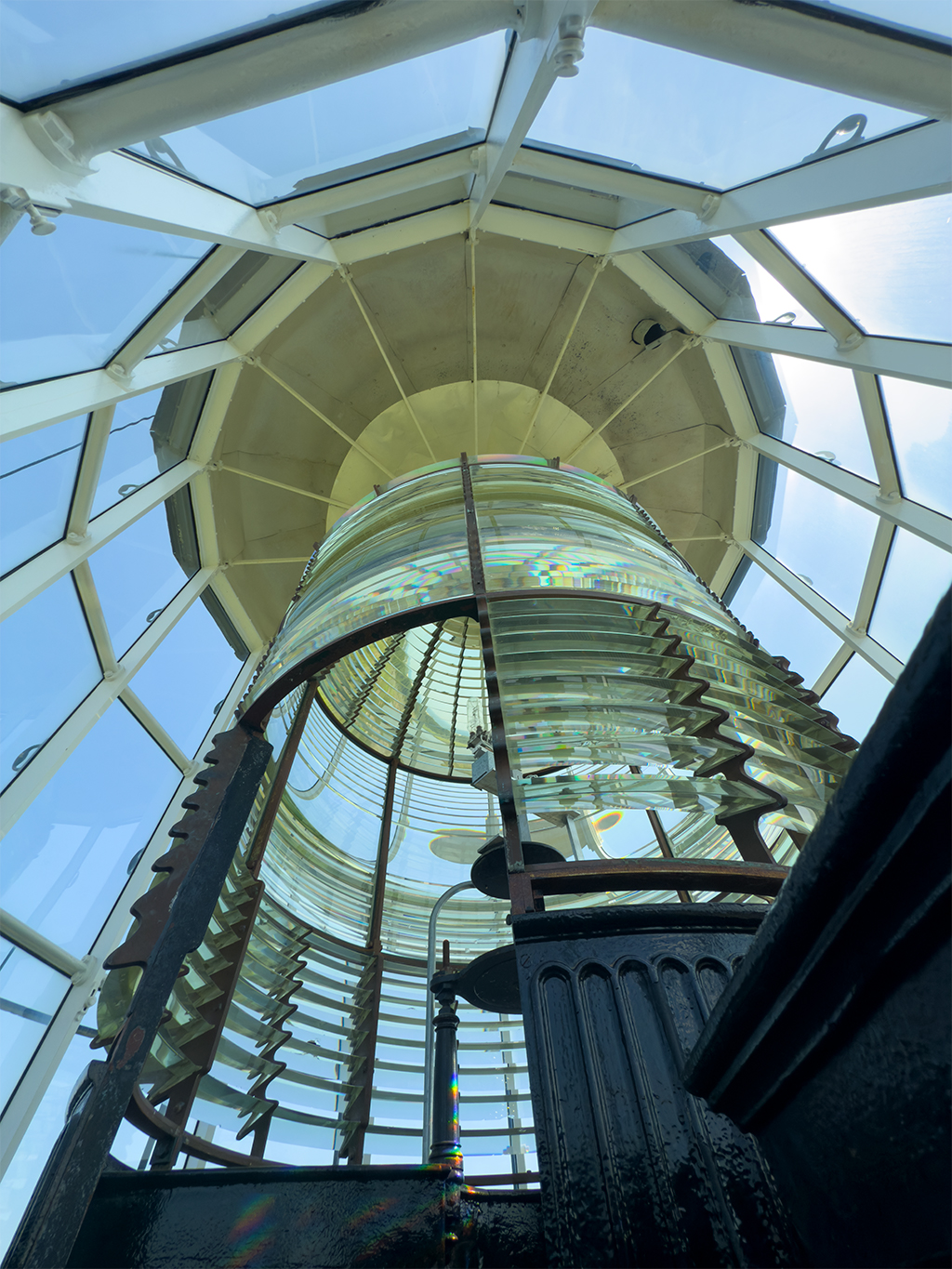
Bodie Island Lighthouse Lens
Type of Lens
- First-order Fresnel lens
- Manufactured by Barbier & Fenestre, a French company
- First-order lenses are the largest and most powerful of the Fresnel series
Size and Power
- Stands over 12 feet tall
- Contains 1,008 glass prisms
- Designed to project light up to 19 nautical miles (22 miles / 35 km)
Light Pattern
- Emits a flashing white light every 27.5 seconds
- The flash is created by the rotation of the lens, not by blinking the light source
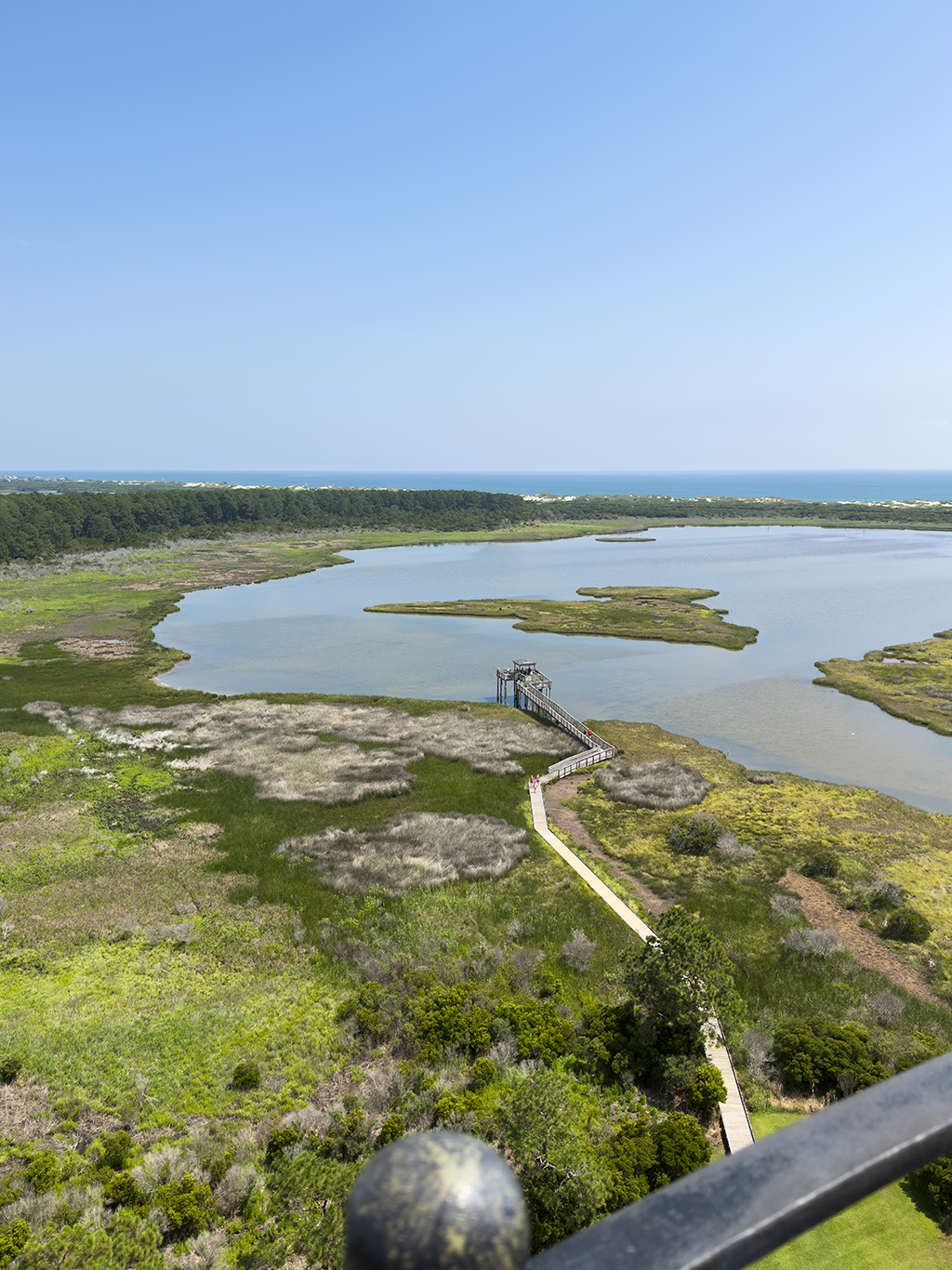
View From The Top
Marsh area from 156ft up.